

Choosing a new air conditioner is one of the most important comfort decisions a homeowner can make. The right system should keep your home consistently cool during Forney’s long, hot summers while controlling humidity, lowering energy costs, and providing reliable performance for years to come. The wrong system can lead to uneven temperatures, excessive runtime, and higher utility bills from the very first season.
In Forney, where summer temperatures regularly reach 95°F to 105°F, air conditioners often run 12 to 18 hours per day during July and August. That level of demand makes proper system selection critical. Read below to learn how home size, efficiency ratings, equipment type, and professional installation all influence which AC system is the best fit for your home.
Why Choosing the Right AC System Matters in Forney’s Hot Texas Climate
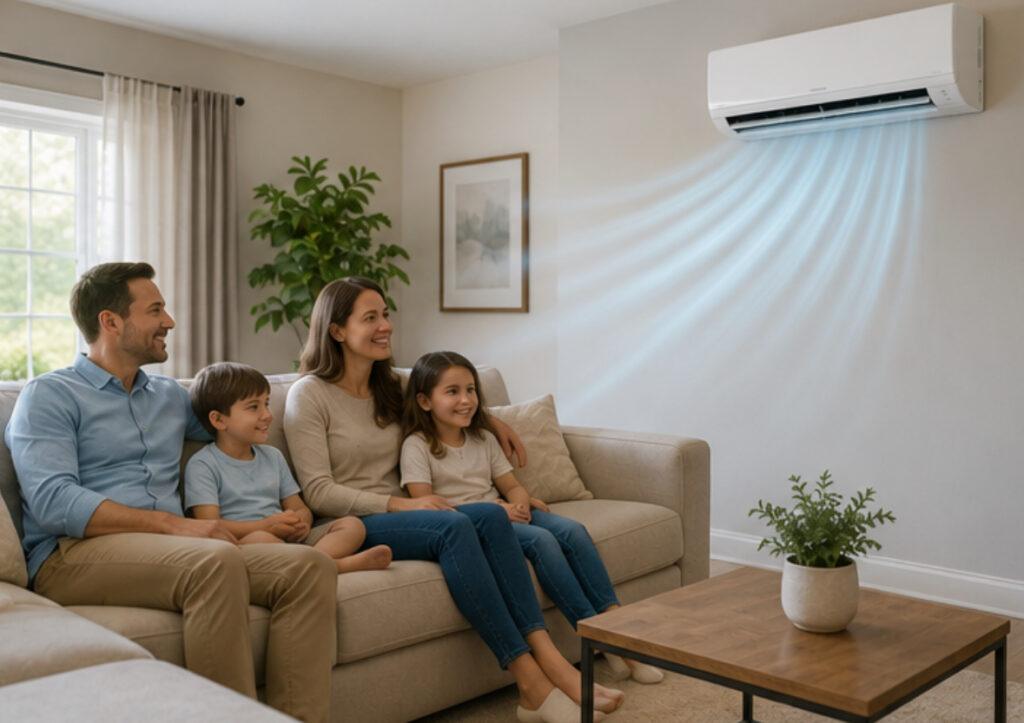
An air conditioner in North Texas is not simply a convenience—it is a system that must perform reliably under extreme conditions for months at a time. Between intense sunlight, high humidity, and airborne dust, your cooling equipment works much harder than it would in milder climates.
A properly selected system will cool the home evenly, maintain indoor humidity near the ideal 45% to 55% range, and operate efficiently even when outdoor temperatures exceed 100°F. An incorrectly sized or poorly matched system may short cycle, leave hot spots throughout the home, and consume far more electricity than necessary.
Because this is a long-term investment, choosing the right equipment from the beginning helps improve comfort, reduce repair costs, and maximize the value of your installation.
How Home Size, Insulation, and Layout Affect System Selection
Square footage is only one part of determining the correct AC size. Two homes with the same floor area can require very different cooling capacities depending on insulation levels, window exposure, ceiling heights, and overall layout.
In many newer Forney neighborhoods, open-concept designs and large west-facing windows can add significant afternoon heat gain. Two-story homes often require special attention to airflow and zoning to keep upper-floor bedrooms comfortable during the hottest part of the day.
Factors That Influence Cooling Requirements
| Home Feature | How It Affects AC Sizing |
|---|---|
| Attic Insulation | Better insulation reduces heat entering the home |
| Window Exposure | South- and west-facing windows increase cooling load |
| Ceiling Height | Larger air volume requires more cooling capacity |
| Floor Plan | Open layouts and multiple stories affect airflow needs |
| Duct Condition | Poor airflow can reduce overall system performance |
A professional Manual J Load Calculation evaluates these variables to determine the appropriate system size rather than relying on square footage alone.
SEER2 Ratings, Energy Efficiency, and Long-Term Operating Costs

When comparing new air conditioners, one of the most important specifications is the SEER2 rating. This metric measures how efficiently a system converts electricity into cooling over an entire season.
Higher SEER2 ratings generally reduce operating costs, which can make a substantial difference in Forney where cooling systems run for extended periods each summer. While high-efficiency equipment typically costs more upfront, the lower monthly utility bills often provide meaningful long-term savings.
| SEER2 Rating | Typical Benefit |
|---|---|
| 14.3+ | Meets current minimum efficiency standards |
| 16–18 | Excellent balance of efficiency and cost |
| 18–20+ | Enhanced comfort and lower operating expenses |
| 10–12 (Older Systems) | Significantly higher energy consumption |
When evaluating equipment, it is helpful to consider both the installation cost and the expected energy savings over the next 10 to 15 years.
Central AC vs Heat Pump vs Ductless Mini Split: Which System Fits Your Needs?
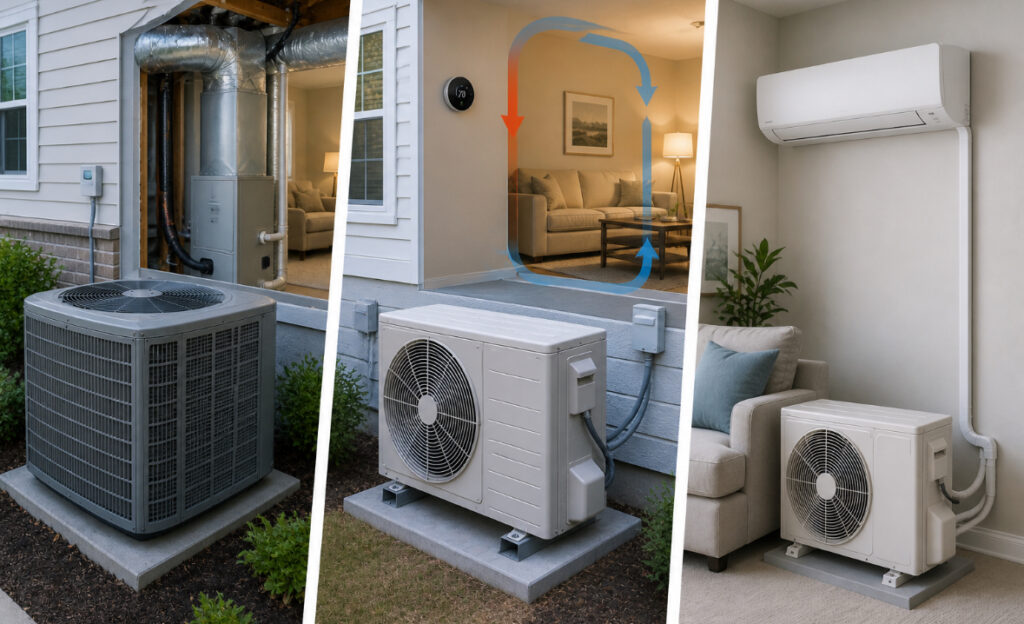
Homeowners in Forney have several excellent cooling options, and the best choice depends on your home’s layout, existing ductwork, efficiency goals, and whether you want both heating and cooling from one system. Each type of equipment offers distinct advantages when matched correctly to your home’s needs.
Central Air Conditioning
Traditional central air conditioning remains the most common choice for larger homes that already have well-designed ductwork. These systems deliver consistent whole-home cooling and are especially effective in two-story and open-concept homes throughout Forney. When paired with a properly sized indoor coil and high-efficiency equipment, central AC systems provide dependable comfort during long stretches of 100°F Texas heat.
Heat Pumps
Modern Heat Pump systems cool your home in summer and provide efficient electric heating during North Texas winters. They are an excellent option for homeowners looking to improve energy efficiency and simplify their HVAC system. Variable-speed heat pumps also offer outstanding humidity control and more stable indoor temperatures throughout the year.
Ductless Mini Splits
Ductless Mini Split systems are ideal for garages, sunrooms, home additions, and rooms that never seem to cool properly. Because they operate without traditional ductwork, they provide highly efficient, room-by-room temperature control with minimal installation disruption. Many homeowners choose mini splits to solve persistent hot spots or to condition spaces where extending ductwork would be impractical.
The right AC system depends on how your home is built, how each space is used, and your long-term comfort and efficiency goals. A professional evaluation can help determine which option will deliver the best value and performance for your specific situation.
Why Proper Sizing and Professional Installation Are Critical
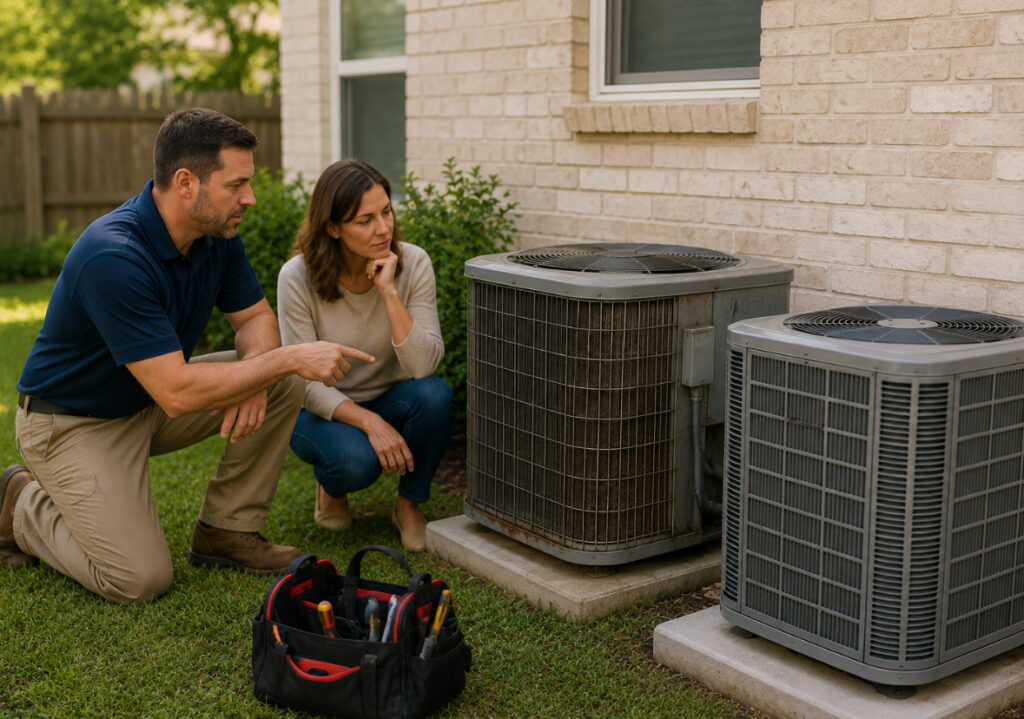
Even the most efficient air conditioner will underperform if it is oversized, undersized, or installed incorrectly. Proper sizing is what determines how well the system will handle Forney’s extreme summer temperatures while maintaining steady comfort throughout the home.
An oversized system may cool the house quickly but shut off before removing enough moisture from the air. This short cycling can leave the home feeling cool but still slightly sticky. An undersized system has the opposite problem—it may run almost nonstop during 100°F weather and still struggle to reach the thermostat setting.
Why Proper Sizing Matters
- Consistent Comfort: The system cools evenly without leaving certain rooms warmer than others.
- Better Humidity Control: Longer, steady cycles remove more moisture from the air.
- Lower Energy Bills: The equipment operates more efficiently under the correct load.
- Longer Equipment Life: Reduced stress helps protect compressors and blower motors.
- Fewer Repairs: Balanced operation minimizes wear on electrical and mechanical components.
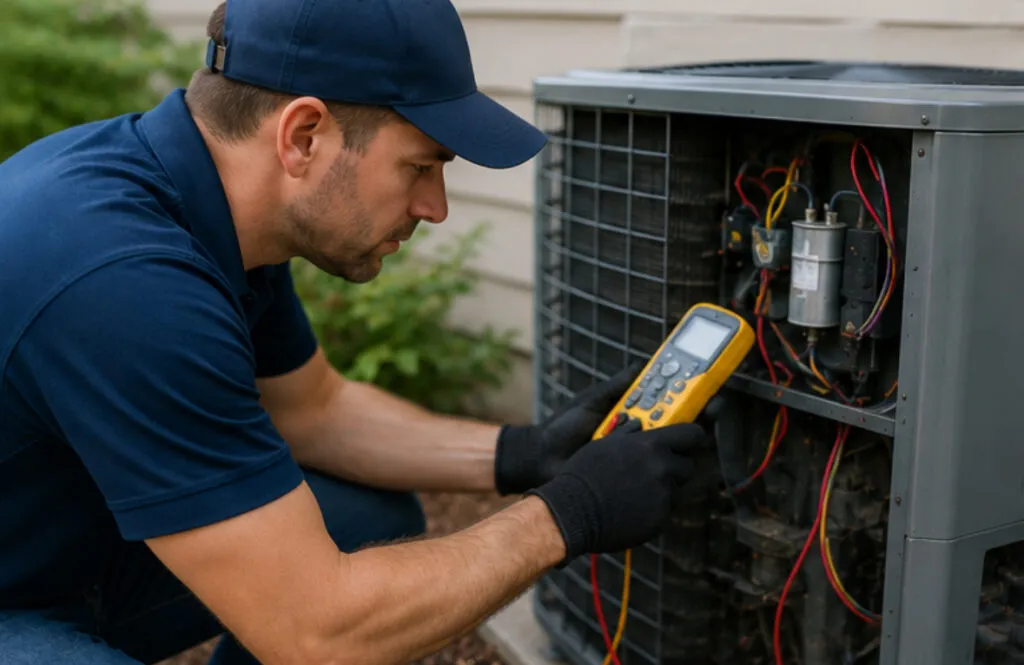
Professional installation is equally important. Refrigerant charge, airflow adjustments, electrical connections, and thermostat calibration all affect how the equipment performs. A well-installed system can deliver years of reliable comfort, while installation shortcuts can create efficiency and reliability issues from day one.
When It Makes Sense to Replace Your Existing Air Conditioner
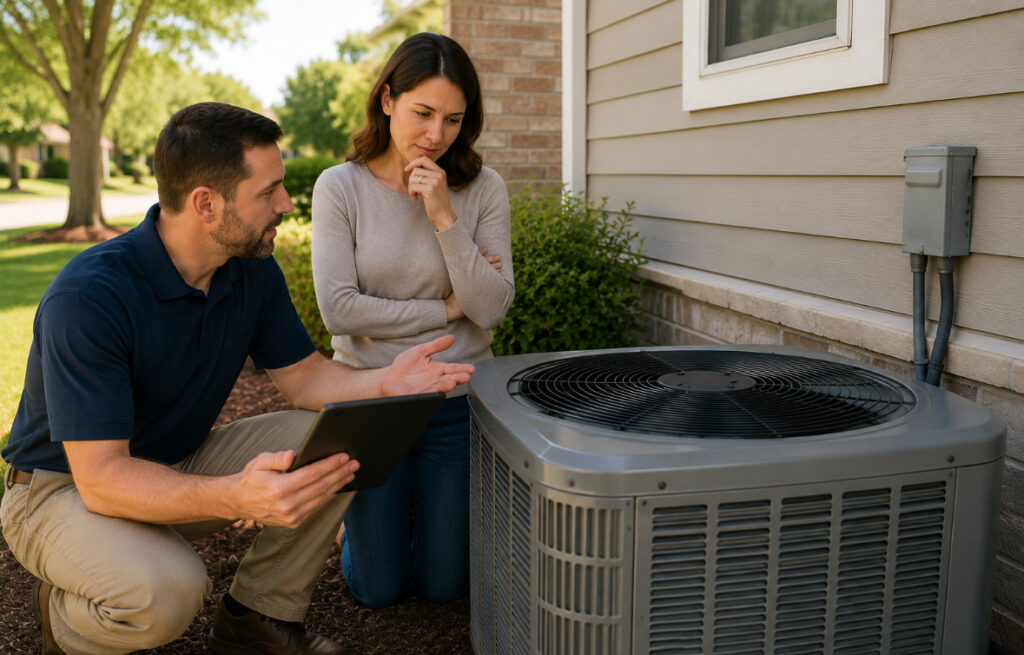
Sometimes the best solution is not another repair, but a properly planned replacement. If your current system is over 10 to 15 years old, requires frequent service, or struggles to keep your home comfortable during peak summer weather, upgrading to a new system may offer better long-term value.
Older units often operate at much lower efficiency levels than modern systems. A 10–12 SEER system installed years ago can consume significantly more electricity than a new high-efficiency unit with improved airflow and humidity control features.
Signs Replacement May Be the Better Investment
Frequent AC Repairs
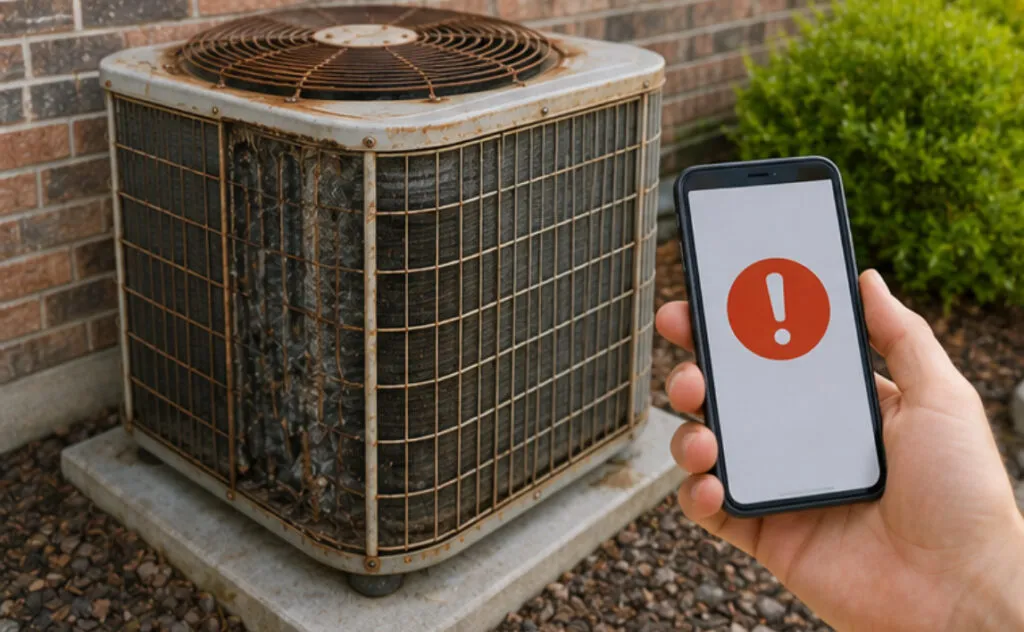
If your air conditioner is 10 to 15 years old and you have replaced capacitors, contactors, or fan motors more than once in the past couple of seasons, repair costs can begin to add up quickly. At that stage, investing in a new system often provides better long-term value than continuing to fix aging components.
Rising Utility Bills
Older 10–12 SEER systems typically use significantly more electricity than modern high-efficiency equipment. If your summer utility bills keep climbing even though your thermostat settings have not changed, the system may be losing efficiency and working much harder to cool your home during Forney’s long, hot summers.
Uneven Cooling
When upstairs bedrooms, west-facing rooms, or areas furthest from the air handler remain 3 to 6°F warmer than the rest of the house, your current system may no longer be delivering enough cooling capacity. Persistent hot spots often indicate that the equipment is struggling to keep up with your home’s comfort demands.
Excess Indoor Humidity
If your home feels sticky even when the thermostat reads 72°F to 74°F, the air conditioner may be short cycling or losing dehumidification performance. This is common with aging or oversized systems and can leave indoor humidity above the ideal 45% to 55% range.
Loud Operation
As compressors, blower motors, and condenser fan motors wear over time, they often become noticeably louder. Grinding, buzzing, and rattling noises are common signs that major components are nearing the end of their service life and may require costly repairs.
If several of these symptoms are present, a professional AC installation consultation can help determine whether replacing your current system is the more practical and cost-effective solution.
Why Choose Lexany’s Heating and AC for AC Installation in Forney, TX
Choosing the right air conditioning system is a major investment, but the quality of the installation has just as much impact on your long-term comfort as the equipment itself. Proper sizing, airflow design, refrigerant charging, and system commissioning all play a critical role in how efficiently and reliably your new system will perform during Forney’s demanding summer heat.
Lexany’s Heating and AC brings 14 years of hands-on experience serving homeowners throughout Forney and the surrounding Dallas–Fort Worth Metroplex. Our NATE-certified technicians perform detailed load calculations, evaluate ductwork and airflow, and recommend systems based on your home’s actual cooling needs rather than a one-size-fits-all approach.
Whether you are considering a traditional central air conditioner, a Heat Pump, or a Ductless Mini Split, our professional air conditioning installation services are designed to deliver dependable comfort, lower energy costs, and long-term performance. From the initial consultation to final system testing, we provide honest guidance, quality workmanship, and solutions tailored to your home and budget.