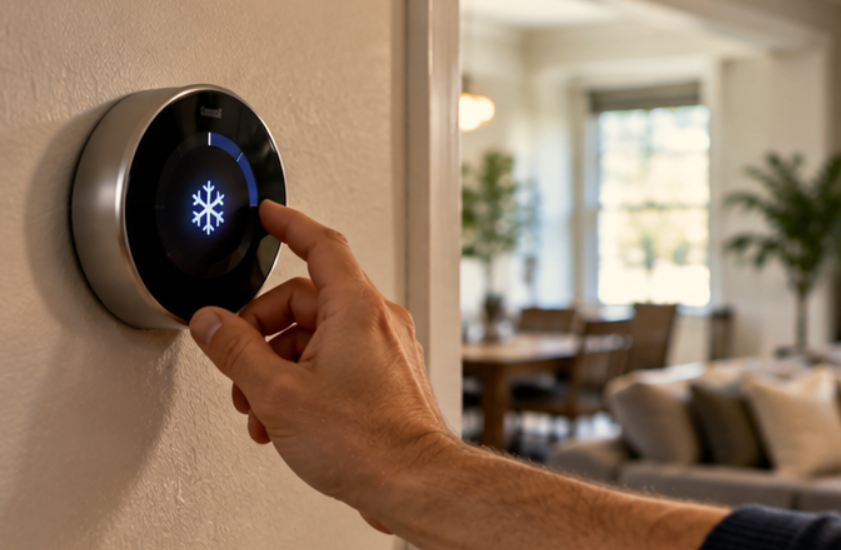
North Texas weather can make the seasonal thermostat switch confusing. A warm afternoon in Forney, Texas, may still call for air conditioning, while the temperature drops enough overnight to leave your home feeling chilly by morning. Switching too early can mean unnecessary heating, but waiting until the first hard freeze can reveal problems your HVAC system developed while sitting idle.
There is no single calendar date for switching from cooling to heating. Pay attention to overnight temperatures, indoor comfort, and the forecast for the coming week. When cooler mornings become consistent, test your heating system before you depend on it. A few simple checks can help you identify airflow problems, unusual startup symptoms, or equipment issues while there is still time to arrange service.
Overnight Temperatures That Signal It's Time to Switch to Heat
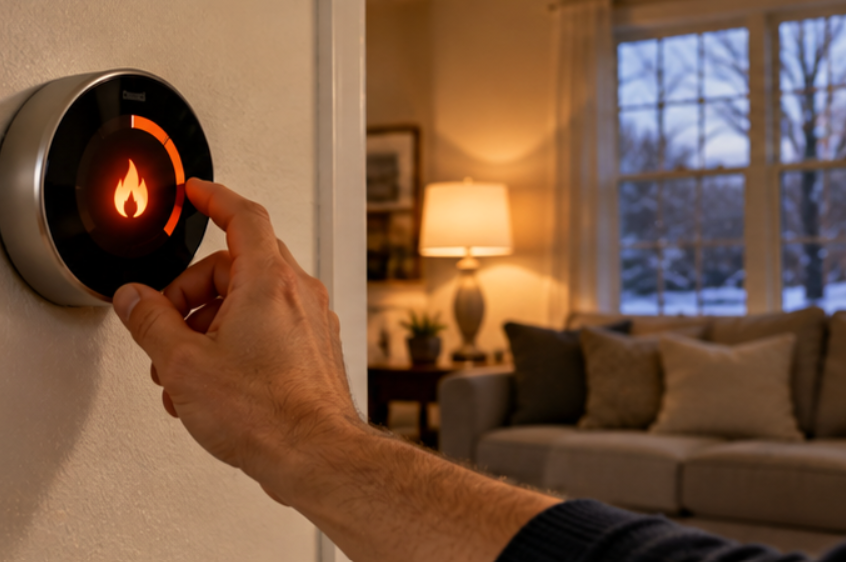
Forney homeowners should watch the weather pattern rather than react to one chilly evening. When overnight temperatures remain in the 40s or lower and your home feels cold in the morning, it may be time to start using heat. Your preferred indoor temperature, insulation, and the needs of everyone in the household also affect that decision.
North Texas experiences substantial temperature swings during fall. You might need cooling during a sunny afternoon and heating the following morning. Instead of choosing a permanent switch date, adjust your thermostat as conditions change. If your thermostat has a properly configured Auto mode, it may manage the transition between heating and cooling based on your selected temperature settings.
The most important step is to test the heating system before a major cold front arrives. A furnace or heat pump that has been idle through a long Texas summer may have a dirty filter, a thermostat issue, or a component that needs attention. Finding out early gives you more time to arrange repairs before demand rises during a cold snap.
Choosing Heat, Cool or Auto Mode During a North Texas Fall
Your thermostat's operating mode determines when the HVAC system can heat or cool your home. During the seasonal transition, choosing the right setting can help maintain comfort without requiring constant adjustments. The best option depends on your equipment, thermostat configuration, and whether outdoor temperatures still call for cooling during the day.
- Cool: Allows the air conditioning to operate when indoor temperatures rise above the cooling setpoint.
- Heat: Allows the furnace or heat pump to provide heating when indoor temperatures fall below the heating setpoint.
- Auto: On compatible thermostats, allows automatic heating and cooling based on the selected temperature range.
- Fan On: Runs the indoor blower continuously, even when heating or cooling is not active.
- Fan Auto: Runs the blower as needed during heating or cooling operation, according to the system's controls.
Auto mode can be convenient during Forney's unpredictable fall weather, but its behavior depends on the thermostat. If you use it, leave an appropriate gap between the heating and cooling setpoints to reduce unnecessary switching. If your thermostat does not support automatic changeover, manually select Heat or Cool as needed.
How Do You Test Your Heating System Before the First Cold Snap?
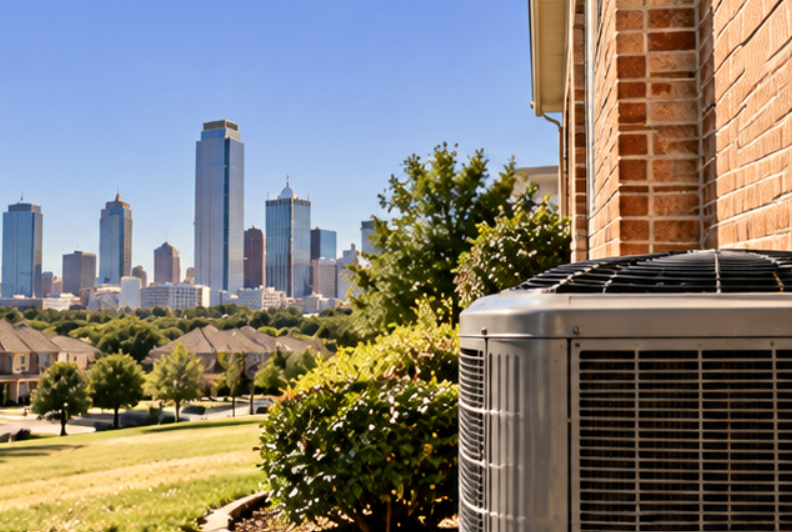
Test your heating system on a mild day when you have time to observe its operation. Set the thermostat to Heat and raise the temperature a few degrees above the current indoor reading. Allow the system time to start, then check whether it operates normally and begins delivering the expected warmth.
Watch for these signs during the test.
- Warm air reaches the rooms after startup.
- The indoor blower runs normally without unusual vibration.
- The thermostat does not display an unexpected error.
- The circuit breaker remains on during normal operation.
- The system does not produce persistent unusual smells or sounds.
If the system starts but fails to heat, check the thermostat setting and air filter before assuming a major component has failed. Avoid repeatedly resetting a tripped breaker or attempting to repair internal electrical, gas, or refrigerant components yourself.
A fall heating inspection can help identify developing problems before the first freeze. Seasonal maintenance is particularly useful for older equipment or systems that struggled to keep the house comfortable last winter. If your air conditioner also needs attention, ask whether a separate cooling inspection is appropriate before next summer.
What to Expect From a Heat Pump on the First Cold Mornings
If you heat with a heat pump, the first cold mornings can bring a surprise. A cloud of vapor may rise from the outdoor unit while its fan stops briefly. That is the defrost cycle melting frost off the coil, and it is normal when the frost clears and heating resumes.
Thick ice that stays on the coil, or a house that stays cold after the cycle ends, is different. Those signs call for a technician to check the airflow, defrost controls and refrigerant before anyone talks about replacing the system.
What Can You Check Yourself Before Turning on the Heat?
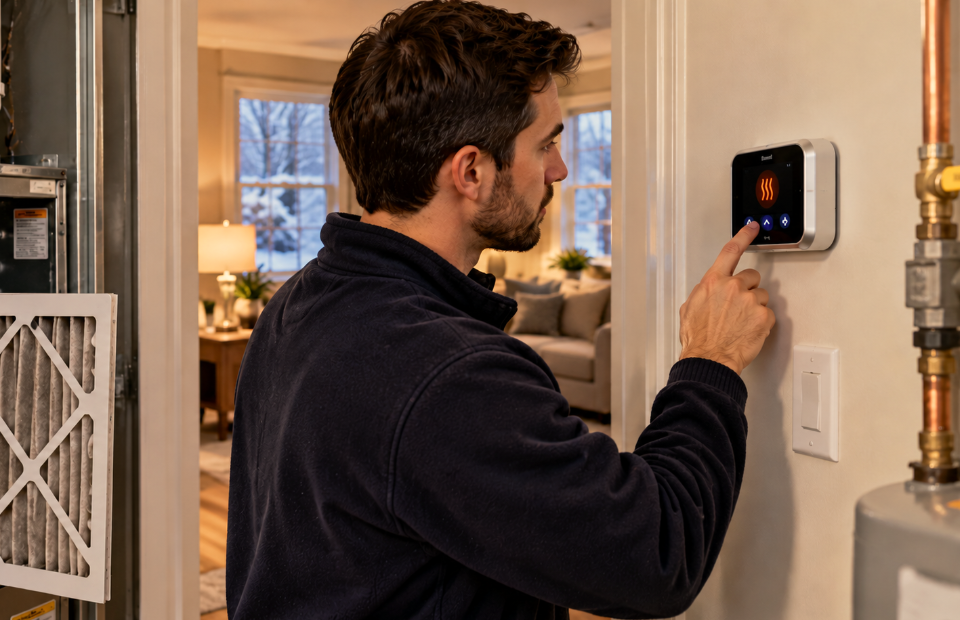
Before scheduling service, perform a few basic checks that do not require opening the equipment. These steps can help identify simple issues and give an HVAC technician useful information if the system still fails to heat properly.
Confirm the Thermostat Is Set to Heat
Check that the thermostat displays Heat rather than Cool and that the temperature setting is above the current room temperature. If you use a programmable or smart thermostat, review its schedule to make sure a summer cooling program is not interfering with your desired settings.
If the display is blank or the thermostat shows an error, consult the manufacturer's instructions. Do not assume the outdoor unit or furnace is defective until basic thermostat settings have been checked.
Inspect and Replace the Air Filter When Needed
A dirty air filter restricts airflow and can affect heating performance. Check the filter according to the manufacturer's recommendations and replace it if it is dirty or due for a change. The correct replacement interval depends on the filter type, household conditions, pets, and system usage.
If a clean filter does not improve weak airflow, the problem may involve a blocked return, ductwork, or another system component. Avoid installing a filter with a rating or thickness that is incompatible with your equipment.
Check Supply Vents and Return Grilles
Furniture, rugs, and other household items can block supply vents or return grilles. Walk through your Forney home and make sure these openings are unobstructed. Restricted airflow can contribute to uneven temperatures and make the system work harder to distribute heat.
Do not close numerous supply registers in an attempt to force more heat into one room. HVAC systems are designed around specific airflow requirements, and extensive register adjustments can affect performance.
Listen for Normal Startup Behavior
A gas furnace may run its inducer motor, ignite its burners, and then start the indoor blower. A heat pump follows a different startup sequence, depending on the model. Familiarity with your equipment's normal sounds can help you recognize when something has changed.
Repeated clicking without ignition, loud banging, grinding, or a system that repeatedly starts and stops deserves attention. Do not remove equipment panels or attempt to inspect burners, wiring, or refrigerant components. Describe the sounds and timing to a qualified technician.
Recognize Normal Dust Odor and Potential Hazards
A brief dusty smell when a furnace starts for the first time in months can occur as accumulated dust heats up. It should fade rather than persist. Our post on why a heat pump smells burnt when heating starts covers the odors worth a closer look. A strong electrical or burning-plastic smell is not something to ignore.
If you smell gas, leave the home immediately without operating switches or using anything that could create a spark. Contact your gas utility or emergency services from a safe location. If a carbon monoxide alarm sounds, leave the home and seek emergency assistance. Never assume an unusual odor is simply seasonal dust.
Which Heating Startup Symptoms Need a Service Call?
Some first-use symptoms disappear once the system completes a normal startup. Others can indicate an equipment fault or safety issue. Use the following guide to determine when observation is reasonable and when professional attention is appropriate.
| Symptom | What it may indicate | Recommended action |
|---|---|---|
| Brief dusty odor from a furnace | Dust warming on internal surfaces | Monitor it; seek service if it persists or worsens |
| Temporary vapor from a heat pump | Normal defrost operation | Confirm frost clears and heating resumes |
| Thick ice that remains on the coil | Defrost, airflow, or refrigerant problem | Arrange professional diagnosis |
| No warm air after startup | Thermostat, ignition, airflow, or equipment issue | Check basic settings and request service if unresolved |
| Breaker trips when heating starts | Possible electrical fault or component problem | Stop resetting it and call a qualified technician |
| Burning-plastic smell or gas odor | Potential electrical or gas safety hazard | Follow the appropriate emergency precautions |
A heating problem does not automatically mean you need a new system. Depending on the diagnosis, cleaning, a control adjustment, or a targeted heating repair may restore normal operation. A technician should evaluate the equipment and explain the findings before recommending a major expense.
If your heat pump is older or has struggled through previous winters, compare the expected repair cost with the system's condition and your long-term comfort needs. Replacement may be worth discussing when repairs are frequent or performance remains inadequate, but it should follow a proper assessment rather than guesswork.
Frequently Asked Questions About Switching From Cooling to Heating
Why does my house smell like burning dust the first time I turn on the heat?
A brief dusty odor can occur when a furnace heats up after months without use. It should fade as the system runs. A persistent or sharp electrical smell needs attention. If you smell gas, leave the home immediately and contact the gas utility or emergency services from a safe location.
Should I leave my thermostat on Auto during the fall?
Auto mode can be convenient when afternoons are warm and mornings are cool, provided your thermostat supports automatic changeover. Set an appropriate gap between heating and cooling temperatures. If your thermostat does not support Auto, select Heat or Cool manually as the weather changes.
Is it bad to switch between heating and cooling in the same week?
No. Changing modes as North Texas weather fluctuates is generally fine. What matters is following the thermostat's instructions and avoiding rapid, repeated changes that prevent the system from completing a cycle. If your system behaves unusually after a mode change, check the settings and consult a technician if needed.
How long should I run the heat as a test before cold weather arrives?
Run the heating system for several minutes on a mild day and allow it to complete its startup sequence. Check that the system begins delivering warmth and does not produce unusual sounds, persistent odors, or error messages. If heating does not begin or a safety concern appears, stop troubleshooting and seek professional help.
How long should I wait for warm air after switching to Heat?
The timing depends on your equipment. A furnace may need time to ignite and warm its heat exchanger, while a heat pump may deliver more gradual warmth. Give the system time to complete its normal startup sequence. If warm air never arrives or the home remains uncomfortable, check the thermostat and filter before arranging service.
Why Choose Lexany's Heating & AC for Seasonal Heating Service in Forney, TX?
Before North Texas temperatures drop, make sure your heating system is ready to keep your home comfortable. At Lexany's Heating & AC, we help homeowners in Forney and nearby communities address heating concerns before they become bigger problems. Our NATE-certified technicians can evaluate weak heating, unusual startup behavior, and heat pump defrost issues to help identify the cause.
If your system needs professional heat pump repair, our team can assess its condition and explain the available options. If your current equipment is aging or struggling to meet your home's heating and cooling needs, we can also discuss heat pump installation based on your home's requirements and budget.
Don't wait until the first North Texas freeze to discover your heater is not working properly. Call Lexany's Heating & AC at (469) 728-7113 or request a free estimate to discuss your heating concerns and get ready for colder weather.

Owner of Lexany's Heating & AC. Family-owned in Forney — most days he's the one on the truck doing the work himself. Bilingual (English/Spanish).