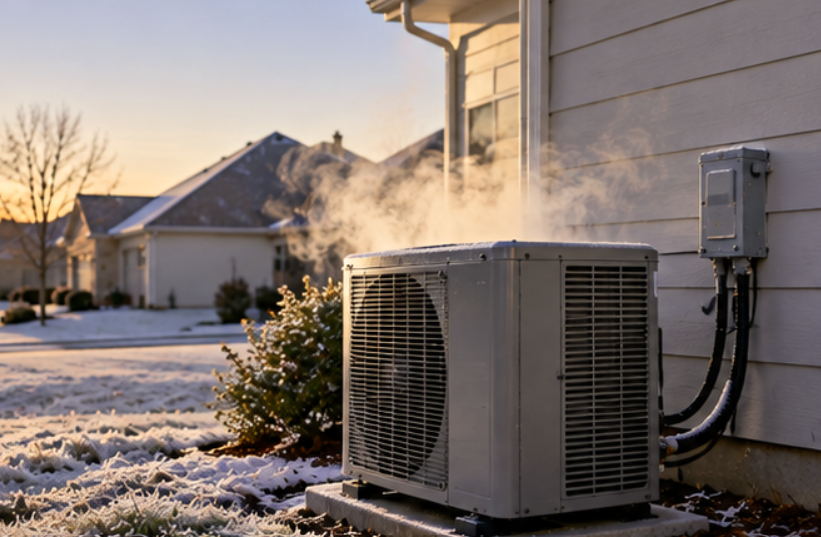
You step outside on a cold morning in Forney, Texas, and see a thick cloud rising from your heat pump. It may look like smoke, especially if the outdoor unit makes a sudden whooshing sound or its fan briefly stops. In many cases, this is a normal part of heating operation rather than a sign that the equipment is failing.
A heat pump can release visible water vapor when it enters its automatic defrost cycle. The important thing is what happens next: the vapor should clear, the system should return to normal heating, and persistent ice should not continue covering the outdoor unit. Understanding these signs can help Forney homeowners recognize normal operation and know when to call for professional heat pump service.
How Does a Heat Pump Make Heat on a Cold Morning?
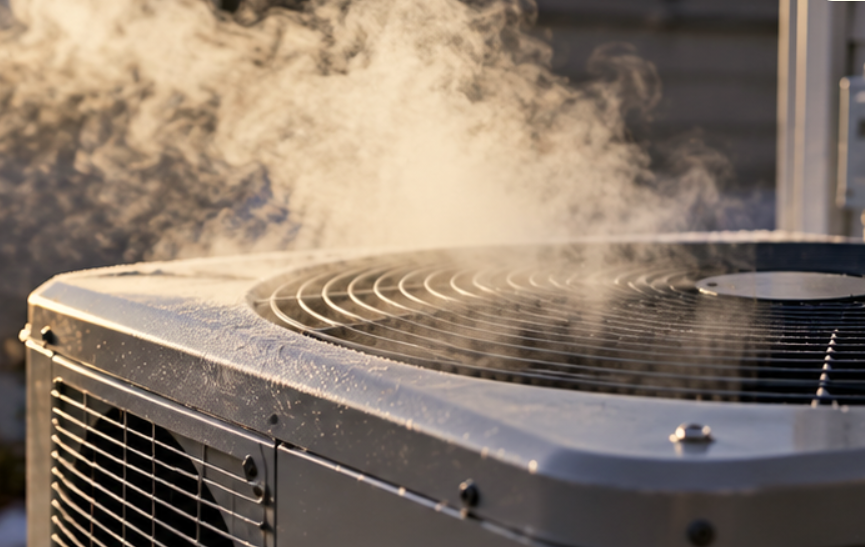
Unlike a gas furnace, a heat pump transfers heat rather than creating it by burning fuel. During heating mode, refrigerant absorbs heat from outdoor air and carries it indoors. Even when the weather feels cold, outdoor air can contain enough usable heat for the system to warm your home.
As the outdoor coil absorbs heat, its surface can become colder than the surrounding air. Moisture collects on the coil and may freeze, particularly during cold, damp weather. This frost is expected under certain conditions, but excessive buildup can restrict airflow and reduce the system's ability to transfer heat.
Forney homeowners may notice this process during winter cold snaps, when temperatures can drop sharply overnight. A heat pump that has operated quietly for days may suddenly release a visible cloud as it clears accumulated frost. The appearance can be surprising, but the defrost cycle is designed to help the system continue heating.
Why Does My Heat Pump Run a Defrost Cycle?
Frost acts as an insulating layer on the outdoor coil and interferes with heat transfer. To remove it, the heat pump temporarily reverses its refrigerant cycle, sending heat to the outdoor coil to melt the accumulated frost. The resulting moisture may evaporate into the cold air, creating a cloud that looks like steam.
The defrost cycle typically lasts several minutes, although the exact duration depends on the equipment, outdoor conditions, and control system. You may notice the outdoor fan stop temporarily or hear a change in the unit's normal operating sound. Some systems also use auxiliary heat to help maintain indoor comfort during defrost.
According to Trane's explanation of the heat pump defrost cycle, visible vapor during defrost is a normal result of melting frost. If the cycle finishes and the heat pump resumes heating normally, the cloud alone is generally not a reason to schedule a repair.
Normal Defrost Steam vs Signs of a Heat Pump Problem
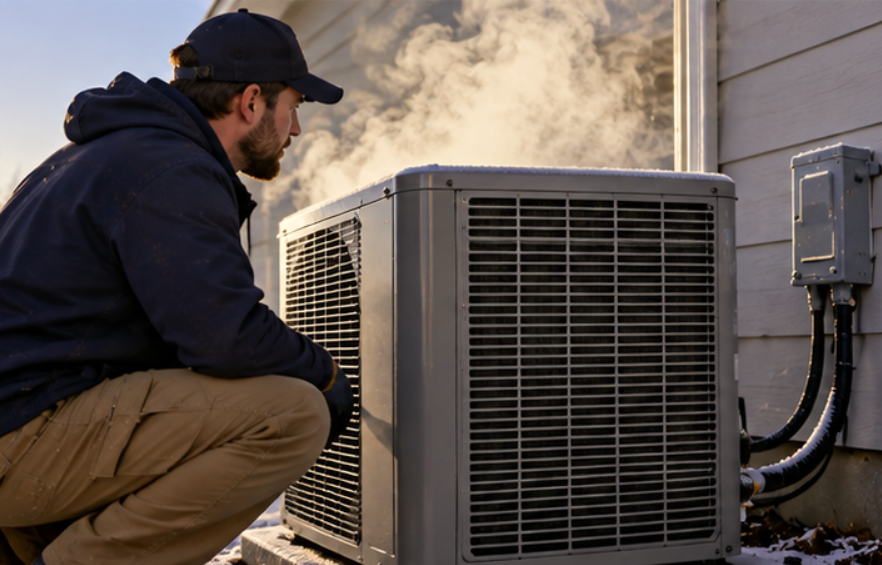
The best way to assess the situation is to look beyond the vapor itself. Check whether the outdoor unit clears its frost, whether the system returns to heating, and whether the home reaches the thermostat's set temperature. These observations can help distinguish routine defrost operation from a problem that needs professional attention.
Normal Defrost Vapor
A normal defrost cycle produces a temporary cloud that dissipates as the melted frost evaporates. The outdoor fan may stop briefly, and the system may sound different before returning to its usual heating operation. Light frost on the coil between cycles can also be normal in cold, damp weather.
Persistent Ice on the Outdoor Unit
Light frost should clear periodically, but a thick layer of ice that remains after repeated defrost cycles deserves attention. Ice covering the coil or fan can restrict airflow and interfere with operation. Possible causes include a defrost control problem, restricted airflow, or a refrigerant issue that requires testing by a qualified technician.
Weak Heating After the Vapor Clears
Your home may experience a brief change in supply-air temperature during defrost, depending on the system and its backup heat arrangement. However, if the house stays cold or the vents continue delivering insufficient heat after the cycle ends, the system may not be operating correctly. A technician can check airflow, refrigerant performance, controls, and other components.
Defrost Cycles That Occur Too Frequently
Defrost cycles are necessary, but repeated cycles every few minutes or unusually prolonged defrost operation may indicate a fault. A sensor, control, airflow restriction, or refrigerant problem could be involved. Because defrost strategies differ among heat pump models, a technician should compare the observed behavior with the manufacturer's specifications before diagnosing the cause.
Unusual Noises or Burning Smells
A temporary whooshing sound or change in compressor noise may occur during normal defrost. Grinding, harsh scraping, loud banging, or a burning or electrical smell is different. If you notice a burning smell or signs of an electrical problem, turn the system off if you can do so safely and arrange professional service before restarting it. Our post on why a heat pump smells burnt when heating starts covers the common causes.
Why Does My House Feel Cooler During Defrost?
During a conventional reverse-cycle defrost, the heat pump temporarily directs heat toward the outdoor coil instead of delivering it indoors. Depending on the system design, you may notice a short period of cooler air or a pause in normal heating. This does not automatically mean the heat pump has failed.
Some systems use electric auxiliary heat to help maintain indoor comfort during defrost. Other configurations handle the transition differently, so the experience varies by equipment. A brief change in airflow or temperature can be normal, but your home should return to its usual heating pattern after the cycle.
If your Forney home consistently struggles to stay warm, do not assume defrost is the only explanation. A clogged air filter, restricted airflow, thermostat issue, or equipment fault can also affect comfort. If the problem persists, a qualified HVAC technician can determine whether the issue involves normal operation, maintenance, or a component that needs repair.
Safe Heat Pump Checks Before You Call
Before scheduling service, you can make a few basic observations without opening the outdoor unit or handling electrical and refrigerant components. These checks may help you identify a simple airflow obstruction or provide useful information to a technician.
- Watch the defrost cycle: Note whether the vapor clears and normal heating resumes.
- Look for persistent ice: Check visually for thick ice that remains after repeated cycles.
- Clear loose debris: Remove leaves and grass clippings around the unit without opening its cabinet.
- Check the surrounding area: Make sure snow, ice, or other objects are not blocking airflow.
- Inspect the air filter: Replace a dirty filter according to the equipment manufacturer's instructions.
- Review the thermostat: Confirm the system is set to Heat and check for displayed alerts.
Never chip ice from the coil, use sharp tools, pour hot water over the unit, or remove access panels to investigate a problem. These actions can damage the equipment or expose you to electrical hazards. If solid ice persists or the system does not resume heating normally, leave internal troubleshooting to a qualified technician.
When Should You Call for Heat Pump Repair?
The key warning signs are persistent ice, repeated or unusually long defrost cycles, weak indoor heating, and unusual mechanical or electrical symptoms. If you notice one of these problems, arrange an inspection rather than assuming the equipment simply needs more time to defrost.
| What you notice | What it may indicate | Recommended action |
|---|---|---|
| Temporary vapor that clears | Normal defrost operation | Monitor the system's return to heating |
| Thick ice that remains | Defrost, airflow, or refrigerant problem | Schedule professional diagnosis |
| Frequent or prolonged defrost | Sensor or control issue, or another operating fault | Have the system checked |
| Weak heat after defrost | Airflow, refrigerant, or component problem | Arrange a heating inspection |
| Grinding, scraping, or burning smell | Possible mechanical or electrical fault | Stop operation if safe and seek service |
A proper diagnosis should identify the cause before any repair or replacement is recommended. A professional technician can evaluate the defrost operation, airflow, refrigerant performance, and controls, then explain the findings and available options.
Seasonal heating maintenance can also help identify restricted airflow, visible coil issues, and developing problems before the next cold snap. It cannot prevent every failure, but it gives a technician an opportunity to inspect important operating components and address concerns before they affect home comfort.
Frequently Asked Questions About Heat Pump Steam and Defrost
Can I pour warm water over my outdoor heat pump to melt ice?
It is best not to pour water over an iced outdoor unit. It can refreeze, and water may reach areas where it creates additional problems. Do not chip away at the ice or use sharp tools. If the ice does not clear through normal defrost operation, arrange professional service.
Why does my heat pump smell slightly odd during defrost?
A temporary change in odor may occur as frost melts, but a burning or electrical smell should never be dismissed as normal defrost behavior. If you notice that type of smell, turn the system off if it is safe to do so and have it inspected before restarting it.
Is a little ice on my outdoor heat pump normal?
Yes. A light layer of frost can form on the outdoor coil during heating, especially in cold, damp conditions. The unit's defrost cycle should periodically clear it. Thick ice that continues to build up or remains after repeated cycles can signal a problem and should be checked.
How long should a heat pump defrost cycle last?
Defrost duration varies by model, control strategy, and outdoor conditions. Many cycles last several minutes. Rather than relying on one exact time limit, watch whether the unit clears the frost and returns to normal heating. Repeatedly prolonged cycles or persistent ice warrant professional evaluation.
Should I switch to emergency heat during a defrost cycle?
No. A defrost cycle lasts only a few minutes, and the system returns to normal heating on its own. Emergency heat runs only the backup heat and costs more to operate. Save it for times when the heat pump itself has stopped working and you are waiting for a technician.
Why Choose Lexany's Heating & AC for Heat Pump Service in Forney, TX?
If your heat pump releases vapor on a cold Forney morning, knowing what is normal can save you unnecessary worry. When the vapor clears and heating resumes, the system is likely completing a routine defrost cycle. However, persistent ice, weak heating, or unusual noises and smells are reasons to have our team inspect the system.
At Lexany's Heating & AC, we help homeowners in Forney, Heartland, Mesquite, Terrell, and nearby North Texas communities troubleshoot heating problems and understand their options. Our NATE-certified technicians can evaluate defrost operation, airflow, and other system components to help identify the cause. If your heat pump needs professional heat pump repair, we can assess the issue and explain the recommended next steps. If your existing system is aging or no longer meeting your home's needs, we can also discuss heat pump installation options.
Don't let recurring ice buildup or unreliable heating go unchecked before the next North Texas cold snap. Call Lexany's Heating & AC at (469) 728-7113 or request a free estimate. Tell us what you have noticed, including how long the vapor lasts and whether your home warms up afterward, so our team can better understand your concerns.

Owner of Lexany's Heating & AC. Family-owned in Forney — most days he's the one on the truck doing the work himself. Bilingual (English/Spanish).