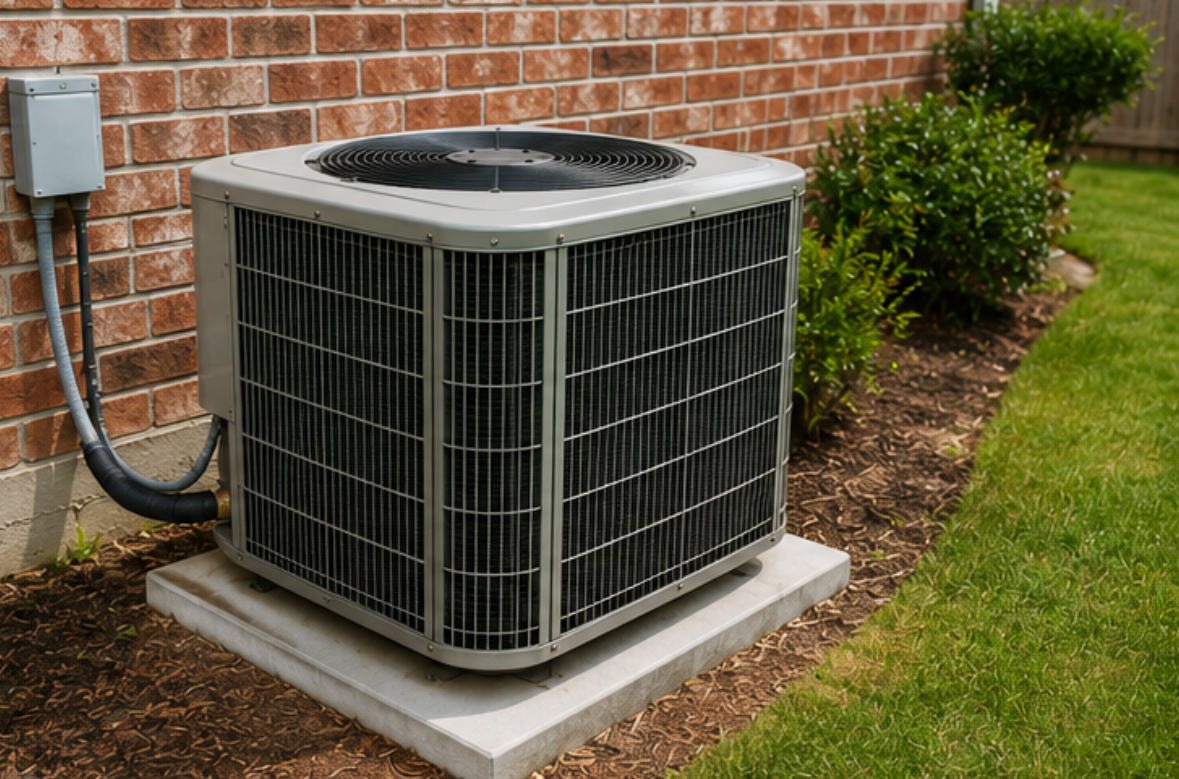
When a Texas heatwave settles over Forney, many homeowners notice two things happening at the same time: the air conditioner rarely shuts off, and the monthly electric bill climbs much faster than expected. Even homes that stayed comfortable in spring may struggle once afternoon temperatures exceed 100°F and attic temperatures approach 140°F. The AC keeps running, yet certain rooms still feel warmer than they should.
That doesn’t automatically mean you need a new air conditioner. In many cases, the system is losing efficiency because it’s fighting excessive heat gain, restricted airflow, dirty coils, or aging components. Understanding why your cooling costs increase during extreme Texas weather can help you improve comfort while avoiding unnecessary energy expenses.
Why Does Your AC Cost More to Run During a Forney Heatwave?

An air conditioner removes heat from your home and releases it outdoors through the condenser. During a North Texas heatwave, that process becomes much more difficult because the outdoor unit is trying to reject heat into air that’s already above 100°F. As outdoor temperatures rise, the compressor must operate longer to remove the same amount of indoor heat.
At the same time, your home keeps absorbing additional heat through the roof, attic, windows, garage walls, and exterior doors. Instead of cycling normally, the system may run continuously throughout the afternoon simply to maintain the thermostat setting. That extra runtime is one of the biggest reasons homeowners see higher summer electricity bills.
| Heatwave Condition | Why It Increases Energy Use |
|---|---|
| Outdoor temperatures above 100°F | Reduces condenser efficiency and increases compressor runtime. |
| Attic temperatures reaching 130°F–150°F | Adds continuous heat through the ceiling. |
| Direct afternoon sun | Raises indoor cooling demand for several hours. |
| Long compressor cycles | Increases electricity consumption throughout the day. |
| Peak afternoon cooling demand | Places maximum stress on the entire HVAC system. |
Why Do Some Forney Homes Have Higher Cooling Bills Than Others?
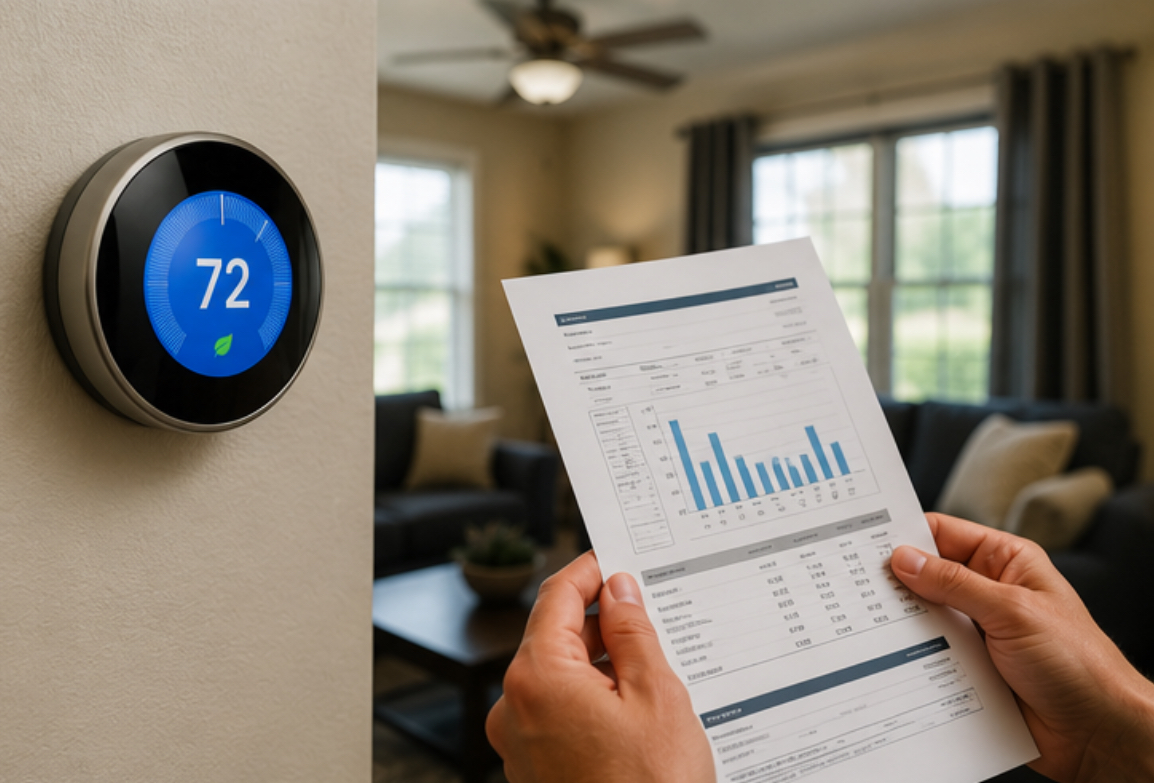
Two homes with the same size air conditioner can have very different electric bills during July and August. That’s because cooling costs depend just as much on the home’s construction as the HVAC equipment itself. During energy evaluations, technicians often find that excessive attic heat, leaking ductwork, poor insulation, and air infiltration are forcing one system to work much harder than another.
Several factors commonly increase cooling costs in Forney homes:
- Leaking Attic Ductwork: Conditioned air escapes into a hot attic before reaching living spaces.
- Poor Attic Insulation: Heat transfers through the ceiling throughout the afternoon.
- West-Facing Rooms: Solar heat gain keeps bedrooms warmer long after sunset.
- Air Leaks Around Windows and Doors: Hot outdoor air continually enters the home.
- Oversized Air Conditioners: Short cooling cycles reduce humidity removal and waste energy.
Many of these problems become obvious only during prolonged Texas heatwaves, when the cooling system operates under its highest demand.
How Can You Tell If Your AC Is Losing Efficiency Instead of Keeping Up?
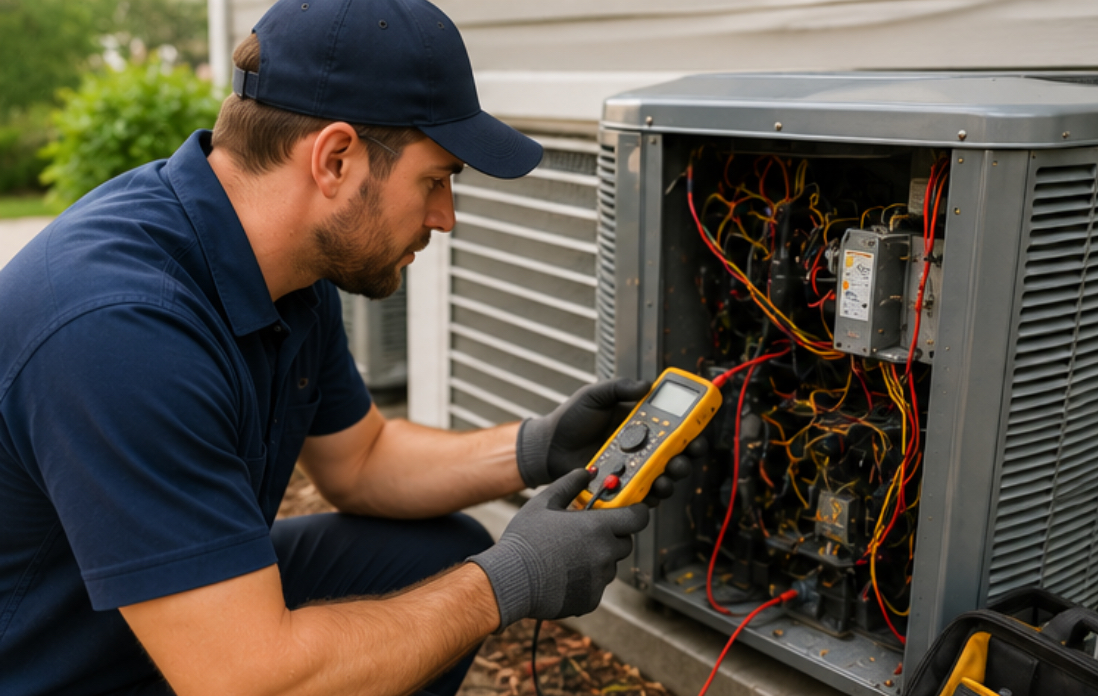
Running for long periods during a heatwave is normal. Running constantly while your home still feels uncomfortable isn’t. If your cooling system is becoming less efficient, it usually gives several warning signs before it fails completely or causes a dramatic increase in energy costs.
| Warning Sign | What It Often Indicates |
|---|---|
| Indoor temperature rises during late afternoon | The system can’t overcome the home’s heat load. |
| Cooling bills increase $75 to $200 compared to previous summers | Declining HVAC efficiency or excessive heat gain. |
| The thermostat is lowered repeatedly without improving comfort | The system has reached its cooling capacity. |
| Some rooms stay noticeably warmer than others | Airflow or duct balancing problems. |
| The outdoor unit runs almost continuously | Reduced heat transfer, restricted airflow, or aging equipment. |
These symptoms don’t always mean it’s time for replacement. A professional air conditioning maintenance inspection can often identify efficiency problems early, helping homeowners lower operating costs before they turn into expensive air conditioning repair calls during the busiest part of the Texas summer.
What Can Homeowners Do to Lower Cooling Costs During a Texas Heatwave?
You can’t control the Texas weather, but you can reduce how hard your air conditioner has to work. The goal isn’t to make the AC run less during a 100°F+ day. It’s to reduce unnecessary heat entering the home so the system can maintain comfort more efficiently. Small improvements often add up to noticeable energy savings over an entire cooling season.
Replace Air Filters Before Airflow Drops
A partially clogged filter restricts airflow across the evaporator coil, forcing the blower motor and compressor to work longer. During peak cooling season, inspect filters every month and replace them as needed to maintain proper airflow.
Keep the Outdoor Condenser Clean
Grass clippings, cottonwood, leaves, and wind-blown debris reduce the condenser’s ability to release heat. Maintaining at least 24 inches of clearance around the outdoor unit helps improve heat rejection during extreme summer temperatures.
Reduce Afternoon Heat Gain
Close blinds or solar shades on west-facing windows between 2 PM and 7 PM. Limiting direct sunlight reduces the indoor cooling load and helps your AC maintain the thermostat setting without running continuously.
Avoid Adding Heat Indoors
Cooking with the oven, running the dryer, or using other heat-producing appliances during the hottest part of the day increases indoor temperatures. Whenever possible, shift these activities to the evening after outdoor temperatures begin to drop.
Schedule Preventive AC Maintenance
A professional air conditioning maintenance visit includes cleaning coils, checking refrigerant performance, measuring airflow, and testing electrical components. Addressing small efficiency issues before a heatwave often prevents higher energy bills and unexpected summer breakdowns.
Many homeowners assume high electric bills are simply part of a Texas summer. In reality, improving airflow and correcting small efficiency problems often helps reduce operating costs without sacrificing indoor comfort.
How Do HVAC Technicians Improve Cooling Efficiency Without Replacing the AC?
An experienced HVAC technician doesn’t recommend replacing equipment simply because cooling costs increase during July or August. Instead, they evaluate how efficiently the entire system is operating under peak summer demand. In many cases, improving system performance restores comfort while delaying the need for a full replacement.
| Professional Evaluation | Why It’s Performed |
|---|---|
| Airflow testing | Confirms the system is moving the proper amount of conditioned air. |
| Refrigerant performance check | Ensures the system is operating within manufacturer specifications. |
| Condenser coil inspection | Identifies dirt buildup reducing heat transfer. |
| Static pressure testing | Detects airflow restrictions inside the duct system. |
| Duct leakage inspection | Finds conditioned air escaping into the attic or crawlspace. |
These tests often identify several small issues working together rather than one major failure. Correcting airflow restrictions, cleaning the condenser, sealing duct leaks, or completing targeted air conditioning repair can significantly improve cooling performance while lowering energy consumption.
Why Choose Lexany’s Heating & AC to Improve Cooling Efficiency in Forney, TX?
Keeping your home comfortable during a Texas heatwave isn’t just about lowering the thermostat. It’s about making sure your entire HVAC system operates as efficiently as possible when demand is at its highest. At Lexany’s Heating & AC, we identify the reasons your cooling costs are increasing instead of recommending unnecessary repairs or replacements.
Since 2011, we’ve helped homeowners throughout Forney improve comfort with professional air conditioning maintenance, accurate air conditioning repair, and honest system evaluations. Whether your AC runs all day, your utility bills keep rising, or your home never feels as cool as it should, our experienced team will recommend practical solutions based on your home’s cooling needs.
If your air conditioner is struggling to keep up with the Texas heat without driving up your energy bill, contact Lexany’s Heating & AC today. We’ll evaluate your system, improve its efficiency where possible, and help you stay comfortable while keeping cooling costs under control.

Owner of Lexany's Heating & AC. Family-owned in Forney — most days he's the one on the truck doing the work himself. Bilingual (English/Spanish).